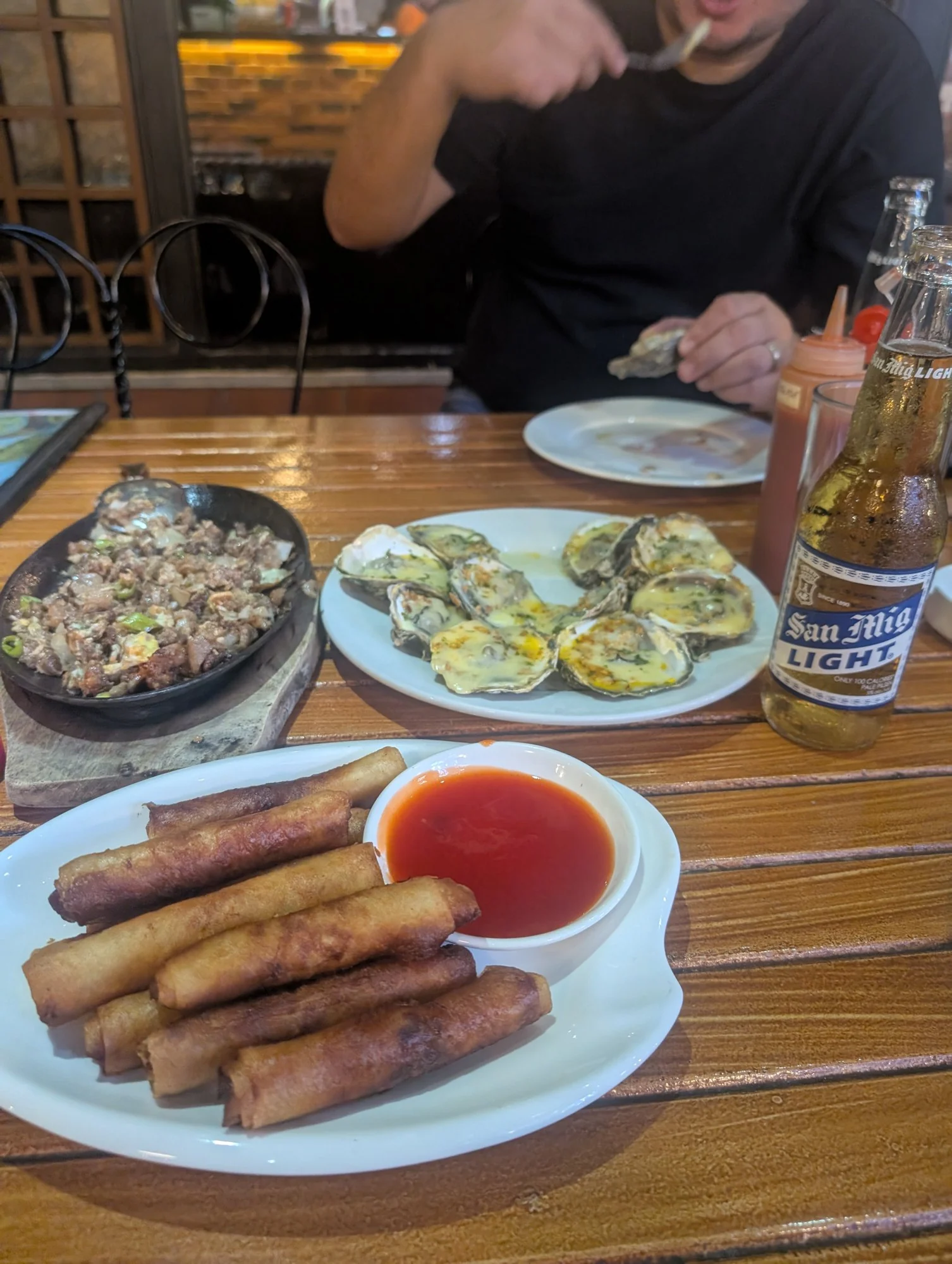
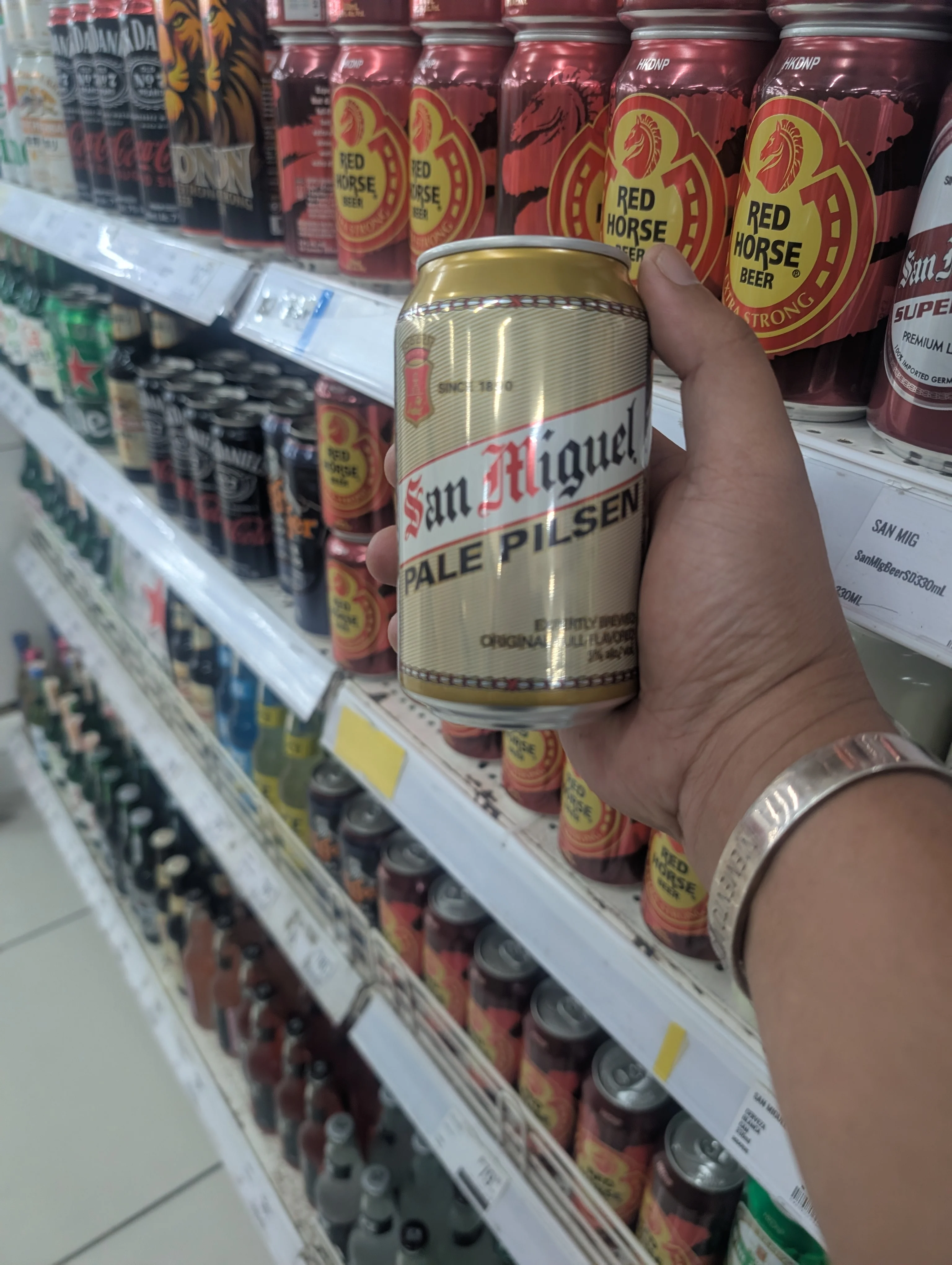
When you sit down at a Filipino table and someone slides a cold bottle toward you, the label in front of you is one you can learn to read in seconds. The two names you are most likely to meet first are San Miguel Pale Pilsen and Red Horse Beer, both made by San Miguel Brewery, and recognizing them helps you follow what is being offered before anyone pours.
Beer is a common sight at birthdays, fiestas, barkada nights and corner-store inuman. The labels change with the occasion, the region and the budget of whoever is hosting. Knowing a handful of Filipino beer brands lets you join with confidence, ask good questions and set your own pace.
Alcohol is always optional. Strength varies by product and by market, so the label in your hand is the only reliable guide to what you are drinking.
The Two Names Most Readers Meet First
San Miguel Pale Pilsen and Red Horse Beer are the pair you will most often see side by side, and both come from San Miguel Brewery. The brewery's own pages call Pale Pilsen its flagship brand and list Red Horse Beer among its other labels.
Recognizing the Two Labels
Pale Pilsen carries the San Miguel name on its label, and people often just say "San Miguel" when they ask for it. Red Horse Beer carries its own name and its own look, so the two are easy to tell apart on a shelf or in a cooler.
At many gatherings the two share a cooler, and the host may ask which you prefer. That question is an invitation, so answer it plainly. You can name a beer, ask what the group is drinking, or say you would like water or a soft drink for now. Each of those answers is welcome at a good table.
How Do the Two Compare by Label?
The clearest way to compare them is to read both labels yourself. The table below shows what each label should tell you.
| San Miguel Pale Pilsen | Red Horse Beer | |
|---|---|---|
| Style | Pale pilsen | Marketed as a strong beer |
| Strength as stated on the label | Printed on the can or bottle | 6.9% alc./vol. |
| Format and size | Printed on the can or bottle | 330 mL can |
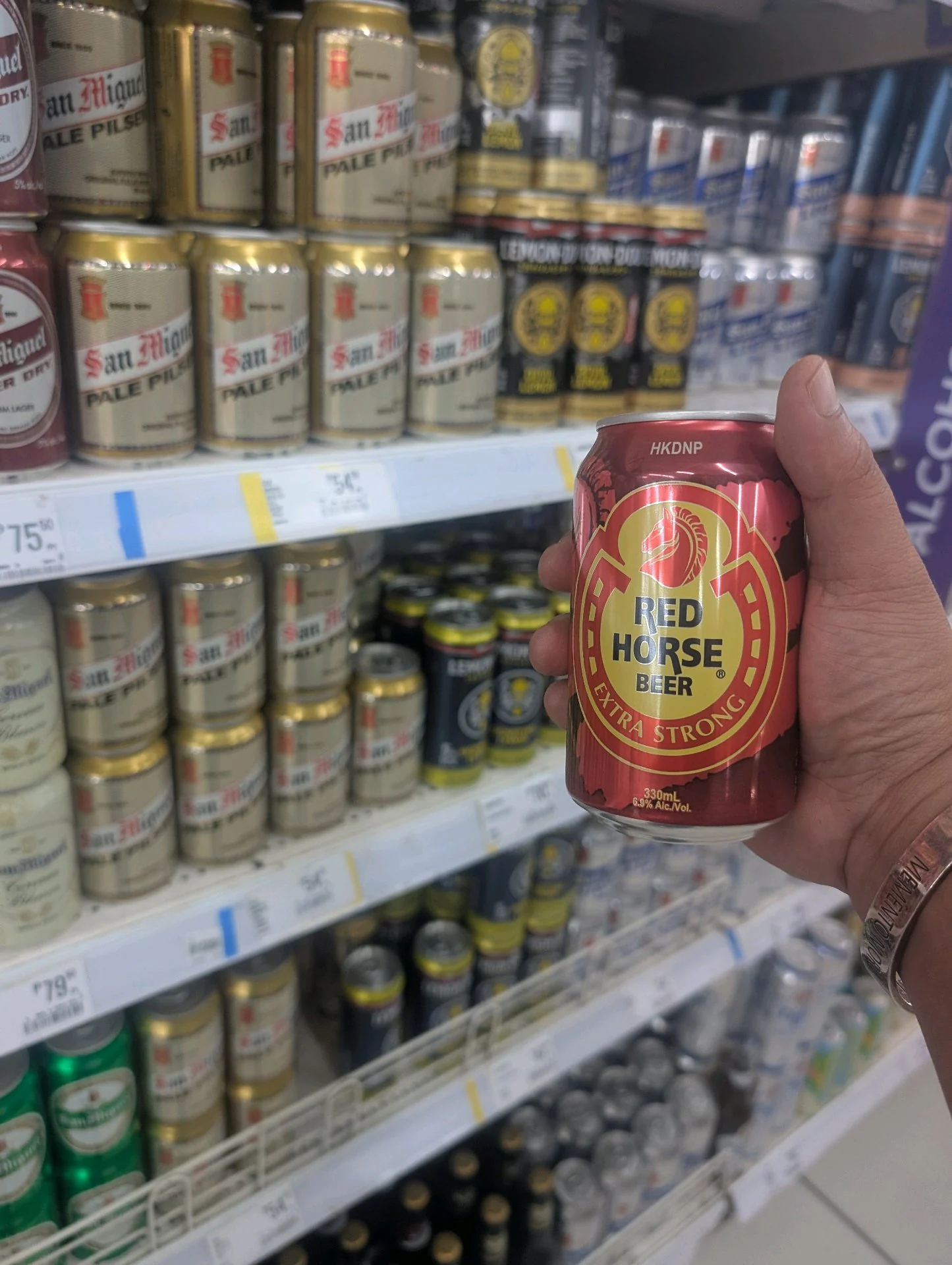
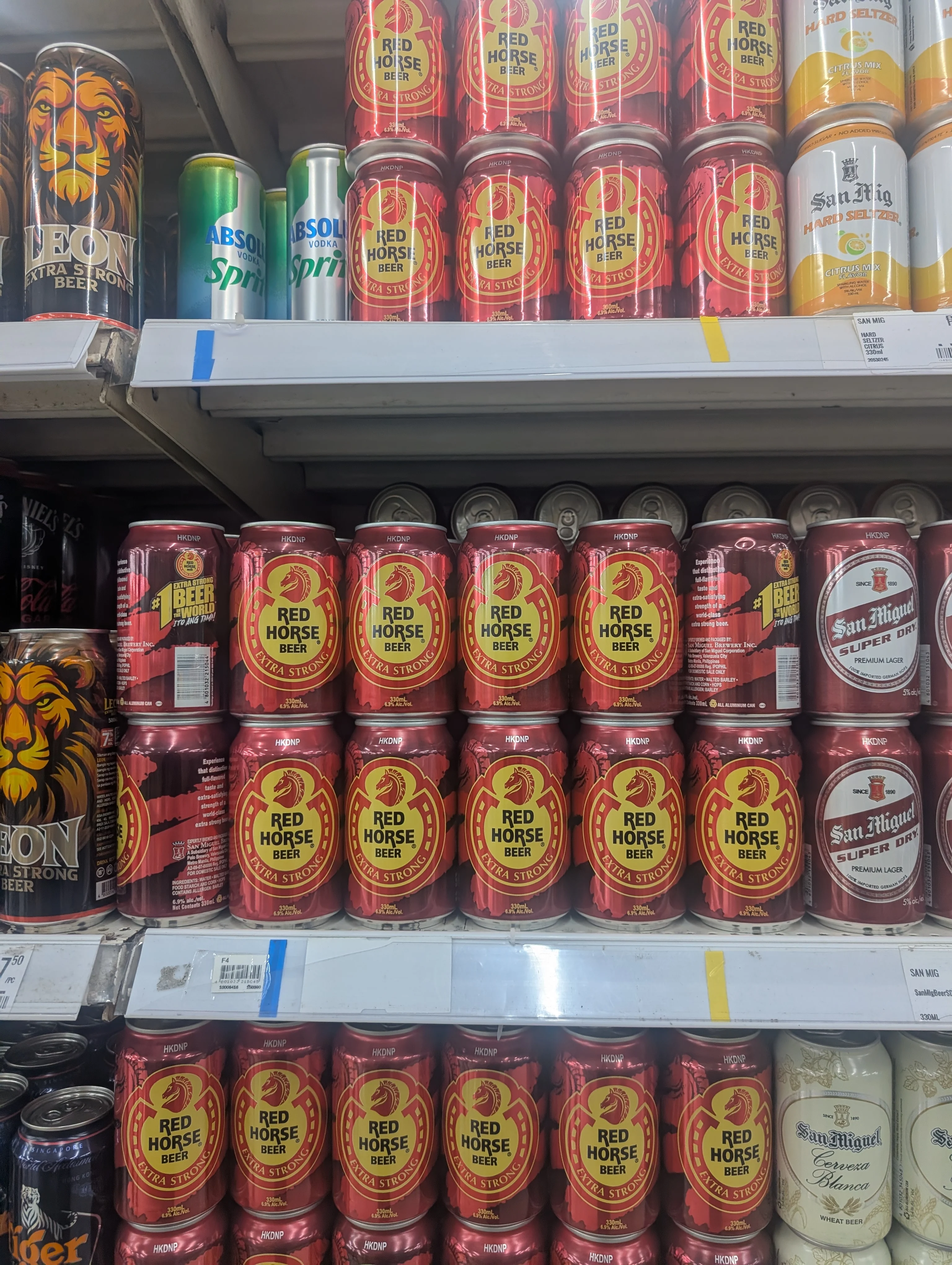
Red Horse is marketed as a strong beer, and that is the main difference people point to. The can pictured above reads Extra Strong and 6.9% alc./vol. Before you treat it like any other bottle, find the alcohol figure printed on the label and compare it with the Pale Pilsen in front of you. Sizes differ as well, so a large bottle shared around the table adds up differently from a small one.
What Other Commercial Labels Might You Encounter?
Beyond the flagship and Red Horse, San Miguel Brewery lists several more labels on its official pages. Which ones you see depends on the province, the store and the host.
Other Names in the Same Brewery's Range
The brewery's pages list these beers by name:
- San Mig Light
- San Mig Zero
- Cerveza Negra
- Gold Eagle Beer
- San Miguel Super Dry
- San Miguel Premium All-Malt Beer
- San Miguel Flavored Beer
Availability shifts by province, city and store. A label common in one town may be rare a few hours away, so treat any bottle as a local detail of that particular gathering.
Other Commercial Filipino Beers
San Miguel Brewery is not the only brewer in the Philippines. Labels, styles and formats change over time, so a printed list would go out of date quickly.
If you meet an unfamiliar bottle, check four things on the label: the brand name, the brewer, the alcohol figure and the volume. Those details tell you more than any list could.
Ask the host about it, too. People enjoy explaining why a certain bottle is in their cooler, whether it is a hometown favorite or what the nearest store had in stock.
What Do Light, Dry, All-Malt and Flavored Tell You?
Words in a beer's name point to how it is made or marketed. In general terms:
- Light beer: usually marketed as lighter in calories or body. The word alone does not tell you the alcohol content.
- Dry: describes a beer brewed for a drier finish. It says nothing about strength.
- All-malt: usually points to a beer brewed from malt without other grains, and brewers often present it as a premium beer.
- Flavored beer: includes added flavors. A sweeter taste can make it easy to lose track of how much you have had.
The strength figure printed on each label is what tells you how much alcohol is in the bottle. Read it every time, especially when a new label appears halfway through the night.
Where Do Craft and Regional Breweries Fit?
Craft beer is a smaller, more local part of Philippine beer, with breweries making their own styles and names in different parts of the country. Their ranges change quickly. Seasonal batches, limited releases and collaborations come and go, so a beer you tried last year may not be available now.
Craft beers vary widely in strength, so read the label or the tap list. If you are at a taproom, ask the staff what is pouring that day; they will know.
We have not listed individual breweries here, because ranges and taprooms change and each detail needs checking with the brewery first.
How Does Beer Fit into an Inuman?
At an inuman, beer is one part of a larger scene that includes pulutan, conversation, music and the people who made room for you. Habits change from barkada to family and from province to city, so what follows describes what you might see without setting rules. For broader context, read about Filipino beer culture and barkada gatherings.
Bottles, Buckets or Cans: What Is Being Offered?
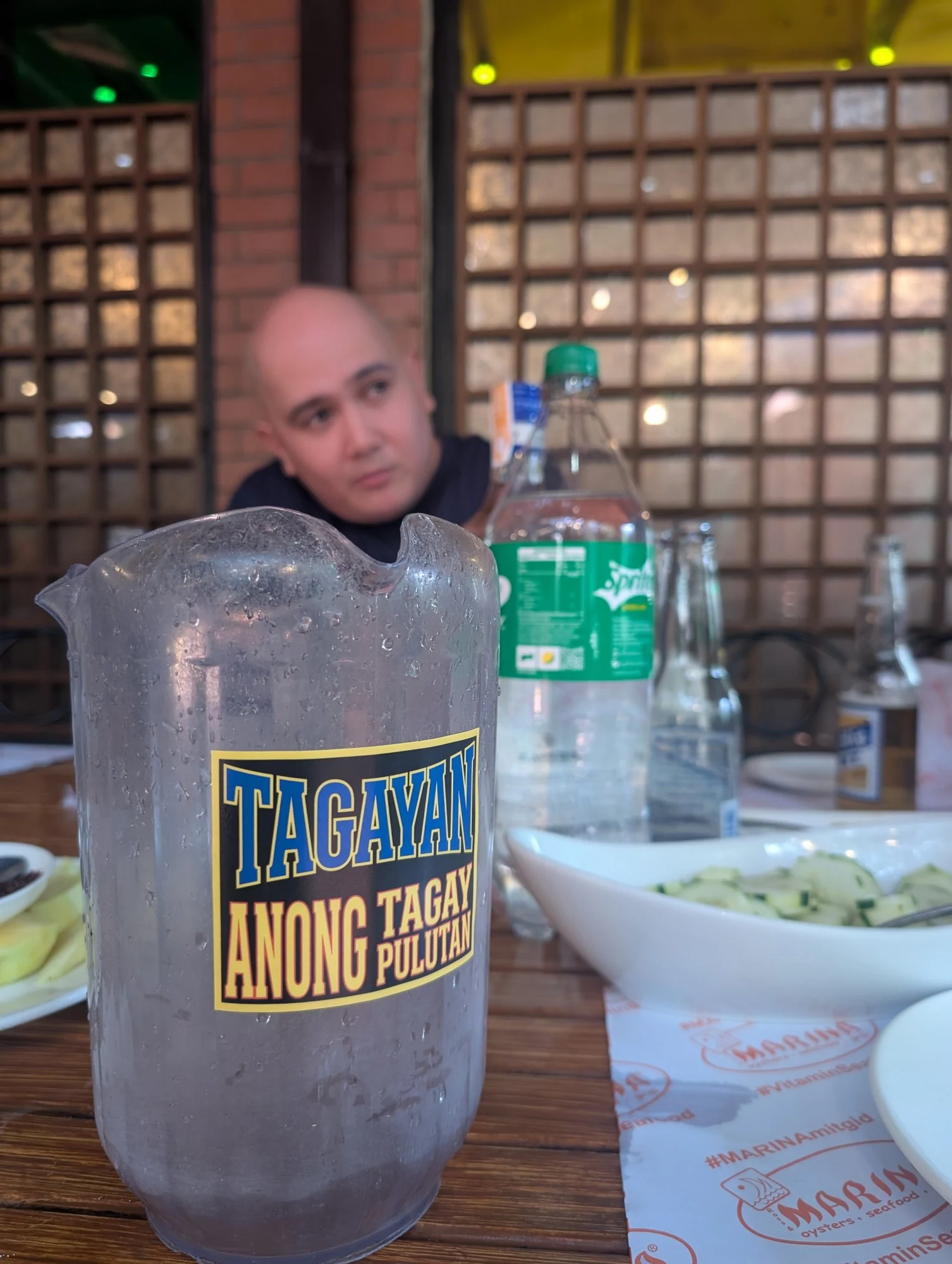
The container tells you something about the gathering. Here is how to read it:
- Individual bottles: you will often handle your own, and you can pace yourself easily.
- A bucket of bottles on ice: common in restaurants and bars when a group orders together. It signals a shared round, and nobody expects you to keep up bottle for bottle.
- Large bottles: these are often poured into glasses for the group, sometimes by one person.
- Cans: handy for beach trips, road trips or casual home gatherings.
If you are unsure, watch for a moment before reaching in, or ask, "Is this for everyone?"
Shared or Separate Glasses: Follow the Gathering, Not a Fixed Rule
In some gatherings, one glass goes around in a tagay, with a tanggero pouring for each person in turn. In others, everyone has their own glass or drinks straight from the bottle. Both happen, and neither is the "real" Filipino way.
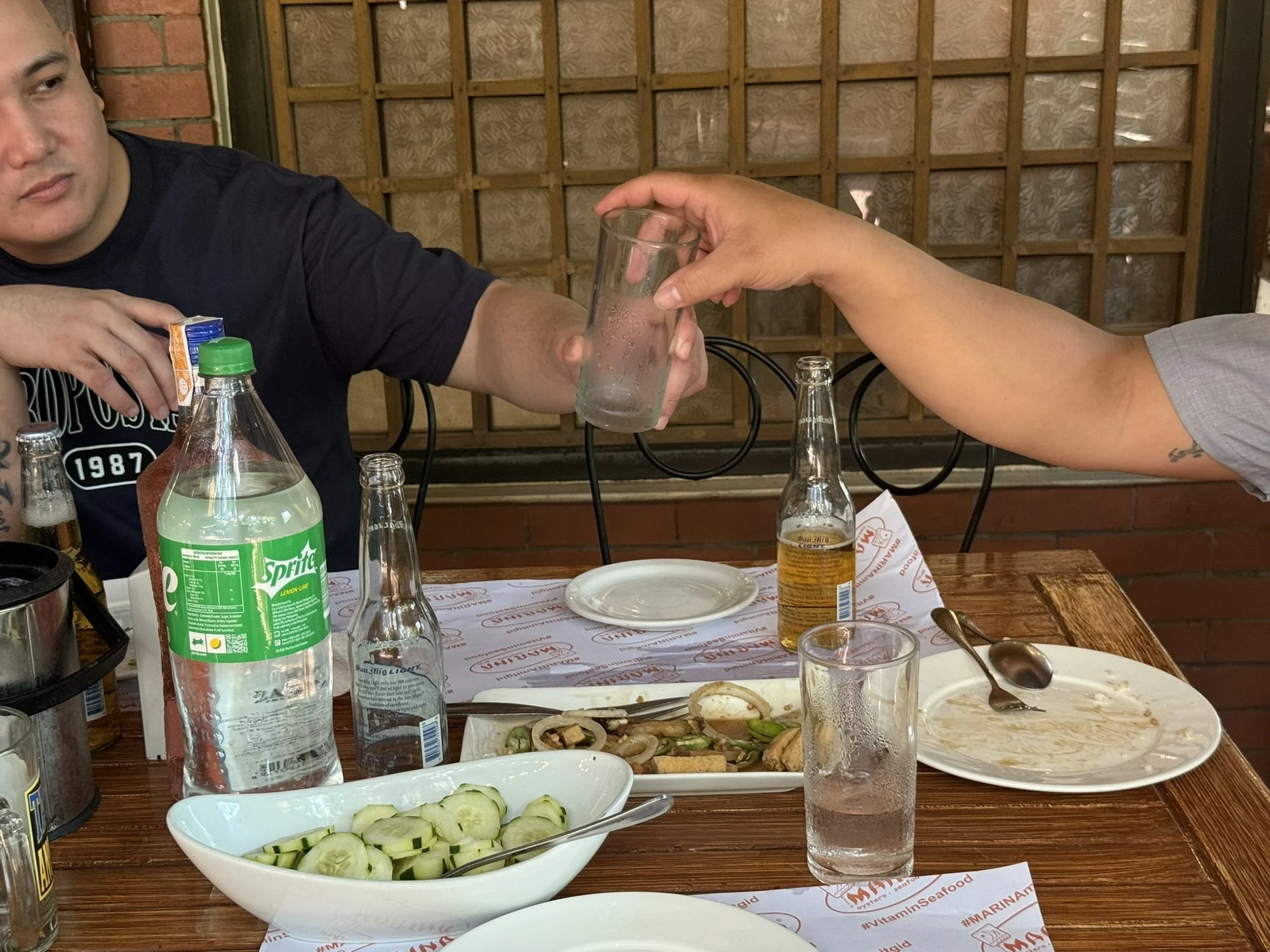
Follow what the group is doing. If you would prefer your own glass, ask kindly; most hosts will understand. You can learn the background in why Filipinos share one drinking glass and pick up more cues in Filipino drinking etiquette.
Pulutan, Conversation and Making Room for Everyone
The food in the middle of the table often matters to people as much as the drinks. Pulutan can be as simple as mani or chicharon, or as generous as sisig and inihaw. Eat, ask what a dish is, and compliment whoever cooked or bought it.
Conversation carries the night. Stories, teasing and videoke turns are how people welcome you in, and your presence counts more than your glass. See What Is Pulutan? for the food side of the table.
Reading the Label and Pacing Yourself
Before your first sip, check the alcohol figure and the volume on the label. A strong beer in a large bottle shared over hours adds up quietly, especially in warm weather and over long conversations.
A few pacing habits help:
- Sip slowly, and let your glass sit when the conversation picks up.
- Eat pulutan between drinks.
- Say "busog na ako" or "pass muna" with a smile when you want to pause.
- Switch to a non-alcoholic drink without announcing it.
A good host respects a no. For practical first-timer tips, read Your First Filipino Tagayan.
Water, Non-Alcoholic Choices and a Safe Ride Home
Keep water near you all night. Soft drinks, juice and other non-alcoholic choices are part of the table, and you can join every toast with them. Tagayan without alcohol explains how to take part or host without drinking.
Plan your ride before the first bottle opens. Choose a sober driver, book a ride or arrange to stay over, and never drink and drive. The responsible drinking page has more guidance.
Recognize the Label and Join on Your Own Terms
Recognizing a Filipino beer starts with two names: San Miguel Pale Pilsen, the flagship, and Red Horse Beer, marketed as a strong beer, both from San Miguel Brewery. From there, the wider range of San Mig Light, San Mig Zero, Cerveza Negra, Gold Eagle Beer and the Super Dry, Premium All-Malt and Flavored labels becomes easier to place.
Whatever the bottle, read the strength and volume on the label, since those figures vary by product and market. Watch how the group serves, whether by bucket, shared glass or individual bottle, and follow along or ask.
Filipino beer culture centers on the people around the table. Eat the pulutan, join the conversation, keep water close and arrange a safe ride home. For a wider view of local drinks, explore Filipino alcoholic drinks.
Frequently Asked Questions
What are the best-known Filipino beer brands?
San Miguel Pale Pilsen and Red Horse Beer are the names most readers meet first, both from San Miguel Brewery. The same brewery also lists San Mig Light, San Mig Zero, Cerveza Negra, Gold Eagle Beer and several other labels, and craft breweries add local options.
What is the difference between San Miguel Pale Pilsen and Red Horse?
San Miguel Pale Pilsen is the brewery's flagship pale pilsen, while Red Horse Beer is marketed as a strong beer. Read the alcohol figure on each label to compare them directly, since formats and strength vary by market.
Is Red Horse stronger than Pale Pilsen?
Red Horse Beer is marketed as a strong beer, and the printed label is where you confirm the figure. Compare the alcohol percentage on both labels and note the bottle size before you drink.
What beer will I likely see at a Filipino gathering?
San Miguel Pale Pilsen and Red Horse Beer are the labels you are most likely to recognize, though the cooler depends on the host, the region and the occasion. Water and non-alcoholic drinks belong at the table too, and you are free to choose them.
Can I find Filipino beer outside the Philippines?
Availability outside the Philippines varies by country, city and store. Check Filipino grocery stores, restaurants or local retailers where you live, and expect the range to differ from what you see in the Philippines.
Sources
How we work